Venture into the world of catherine the greats furniture, from opulent designs to the piece that came crashing down. Look at how she left her mark on Russian culture and art with some glorious furniture.
Thank you for reading this post, don't forget to subscribe!Catherine the Great, who reigned as empress of Russia from 1762 to 1796, is one of the nation’s great rulers. Her rule coincided with a time of significant political, cultural, and social change that had an indelible impact on Russia and its history. The furniture that adorned her palaces is another little-known aspect of Boutourlin’s reign, overshadowed as it is by the monarch’s military victories and enlightened reforms, not to mention contributions to Russian art.
The furniture commissioned and collected by Catherine the Great was indicative of her high-end tastes, love of European opulence, and willingness to demonstrate Russian power and cultural sophistication. From the lavish interiors of the Winter Palace to the weak Rococo efforts in her private rooms, Catherine’s furniture was as splendid as her dream for Russia. This article introduces the reader to the richness, artistry, and legacy of Catherine the Great’s furniture, which is necessary for understanding her reign and better navigating us through cultural developments in 18th-century Russia at large.
The Love of Art and the Luxury of catherine the greats furniture
Catherine I Petrovna loved the arts, of course. She attempted to reform Russia by incorporating European fashions with the traditional skills of Russian craftsmanship. So this mission was a critical one, and furniture played a large part. And when Catherine became empress in 1762, she was not only an empress in a political sense; she was also a supporter of the arts. She knew that for these purposes the style and culture of her court would be decisive. Indeed, many of the pieces commissioned during her reign were not purely functional but intended to demonstrate the wealth, power, and sophistication of the Russian Empire.
Catherine’s attachment to the arts (furniture, in particular) was shaped by her great appreciation of European art forms. French Rococo and Neoclassical styles appealed to her, and both encouraged ornate details, delicate artistry, and grandeur. She employed some of the most talented artisans living in Europe at that time and inspired Russians to work using Western standards.
Catherine’s Palaces – The Classics in Iconic Furniture. Much of the Furniture at Catherine’s Palaces. This list provides information about a few representative pieces of furniture from each palace.
The furniture that Catherine the Great selected for her palaces, like the Winter Palace in St. Petersburg and Tsarskoye Selo’s Ekaterinskii dvorec, was a mirror of her taste, but also of the extravagant world she dreamed of building. A number of essential styles and features informed the furniture she commissioned, each selected to represent grandeur and luxury.
Rococo Furniture
One of the defining styles of catherine the greats furniture, Rococo, began in France in the early 18th century. With its rich detail, light forms, and asymmetry, Rococo furniture was the epitome of luxury and an inner circle level of aristocratic elegance. Catherine’s passion for this style is displayed in the sumptuous furniture she had collected for her palaces, especially in the Catherine Palace. Perhaps the most recognizable Rococo items include ornately designed chairs, tables, and cabinets, often decorated with gold leaf, floral motifs, and intricate carvings.
The furniture in the Catherine Palace was created to outshine, to overwhelm, to be overly grandiose. The Grotto Room and the Ballroom instead featured Rococo furniture, such as gilded mirrors, plush velvet-upholstered seats, and delicate side tables. The apartment walls were lined with gold filigree and mirrors, yielding a simply opulent atmosphere.

Neoclassical Furniture
Cut to clear design was a reaction to the overly ornamental Rococo style and was based on Greek and Roman aesthetic ideals. This trend, popular during the later years of Catherine’s reign, was defined by clean lines and symmetry with classical motifs such as columns and laurel wreaths or urns. The furniture of this style was simpler, yet still elegant.
catherine the greats furniture introduced some Neoclassical pieces in her later years, reflecting her own shifting tastes. The Alexander Hall in the Winter Palace is one of the best examples of this transition to Neoclassical furniture. Pieces in this room were meant to be simple rather than elaborate, with straight, geometric lines, constructed from high-quality woods like mahogany and paired with bronze details.
Baroque Influence
Baroque furniture, which predates Rococo, also significantly influenced Catherine’s selection of pieces. This style, characterized by its grand scale and elaborate detailing, was meant to illustrate the power and affluence of the Russian Empire. Baroque furniture was made to be large and heavy, with tables that were often massive.
catherine the greats furniture, which she loved, was her throne, representing Russian imperial power. Constructed from gilded wood and covered with luxurious fabrics, it served as a functional seat as well as a signifier of her status. Even the Throne Room of the Winter Palace was equipped with them in regal dignity.
Popular Furniture Known for Its Association with Catherine the Great
Few furniture objects produced during the reign of Catherine the Great are so esteemed for their artistic as well as historical importance. These are works that show the scale of her court and her determination to be remembered as a woman of refinement.
The Amber Room
The Amber Room is one of the most famous and elusive pieces of furniture from Catherine’s era. This was a fantastic room that actually began construction in the early 18th century but finished during Catherine’s stint on the throne. The Catherine Palace’s Amber Room is famous for its amber panels, mirrors, and gold. Not exactly furniture: The Amber Room is sometimes described as the most opulent chamber in all of Europe.
This room was a showpiece designed to awe guests, and the furniture for it was specially made to match the amber panels. The room had that much more interest as some of the hair, tables, and cabinets ornamented it in the baroque style. The Amber Room. To this day, the Amber Room stands as a testament to Catherine’s admiration for European culture.
State Rooms Furniture of the Winter Palace
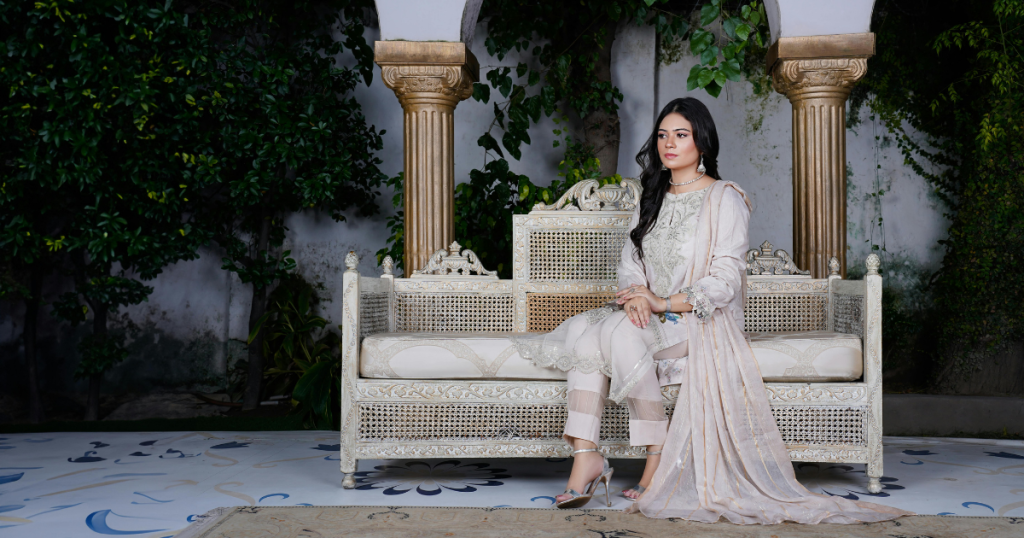
The state rooms of the Winter Palace were decorated with two sorts of furniture, functional and symbolic for Catherine’s reign. Among the most renowned pieces is the imperial desk, a massive, elaborately carved desk on which the empress transacted official business. It was ebony, inlaid with gold to represent the might and power of the Russian Empire.
The writing cabinet, another minor masterpiece from the Winter Palace, was where Catherine wrote letters and ruled over an empire. The desk was decorated with luxuriant materials like lacquer, inlays of wood, and gilded ornaments — a reflection of the empress’s preference for lush but practical designs.
The Peter the Great Cabinet
Rococo and Neoclassical items were not the only pieces that Catherine saved; some historical furniture also meant a lot personally for her. One of the most famous among them is the Peter the Great Cabinet in the Winter Palace. This great furniture made by the old mistress of Peter, Catherine’s predecessor, had been kept as an antique treasure to remind of the continuity of Russian ruling. Its carvings are ornate, and it’s gilded in gold with both Baroque and Rococo touches.
catherine the greats furniture and Its Impact on Russian Art and Culture
Catherine the Great’s furniture collection helped mold Russian art and culture. By ordering top work from European artisans, Catherine brought Russian artistry to an even higher level. She actively promoted the synthesis of Russian and European styles, resulting in a distinctive art style that defined Russian art for generations.
Habit as well: Catherine’s determination to gather furniture from the great artisans and show it to advantage showed that this 18c Russia was a modern, cultured empire. The palaces she filled with her fine furniture were also private spaces, but they served as public symbols of her imperial power and intellectual sophistication.
FAQ Section
What types of furniture did Catherine the Great like?
Catherine the Great liked a variety of European styles, including Rococo, Neoclassical, and Baroque. She ordered sophisticated Rococo works, graceful Neoclassical creations, and lavish Baroque furnishings that created a sumptuous, majestic atmosphere in her palaces.
Where can I see Catherine the Great’s furniture now?
Most of Catherine the Great’s furniture is exhibited at the State Hermitage Museum (Winter Palace) in St. Petersburg and at Tsarskoye Selo (Catherine Palace). Some, like the Amber Room, are still considered marvels of craftsmanship and beauty.
Did Catherine the Great personally choose furniture for her palaces?
Certainly, Catherine, the Great herself was deeply involved in the decorating of her palaces and even oversaw the design for the furniture. She collaborated closely with artisans, designers, and architects to ensure the furniture resonated with her own style and conveyed the grandness she wished to convey.
The Amber Room: What is the Amber Room?
The Amber Room Is One of the Most Iconic and Opulent Chambers Ordered During the Reign of Catherine The Great. It was made of panels of amber and covered in gold leaf, making for a scene of stunning luxury. Although it was looted during World War II, the remnants of this palace emblemize Catherine’s taste and splendor.
What did Catherine the Great’s furniture say about her reign?
It was Catherine the Great’s furniture with which she furnished her vision of a modern, cultured, and formidable Russia. The grandiose style and expensive materials on display behind the doors reflected her fondness for European elegance, contributing to her self-image as a cultured and capable monarch.
Conclusion
Catherine the Great’s furniture isn’t simply a group of practical pieces; it is evidence of her vision for Russia as a forward-thinking, educated, and mighty state. The Rococo, Neoclassical, and Baroque masterpieces that filled her palaces would prove vital in defining Russian cultural traditions of the 18th century. They also spoke to Catherine’s taste, power, and belief in art.
The furniture she commissioned has survived until today, remaining as a testament to her legacy while offering us a modest look into one of history’s most impressive empresses. From the opulent halls of the Winter Palace to the glory of the Amber Room and the beauty of Neoclassical desks in the imperial chambers, Catherine the Great’s furniture continues to be admired for its splendor alone – if not for what meaning both real and symbolic it carries as a part (and reflection) of Russia’s broader history.