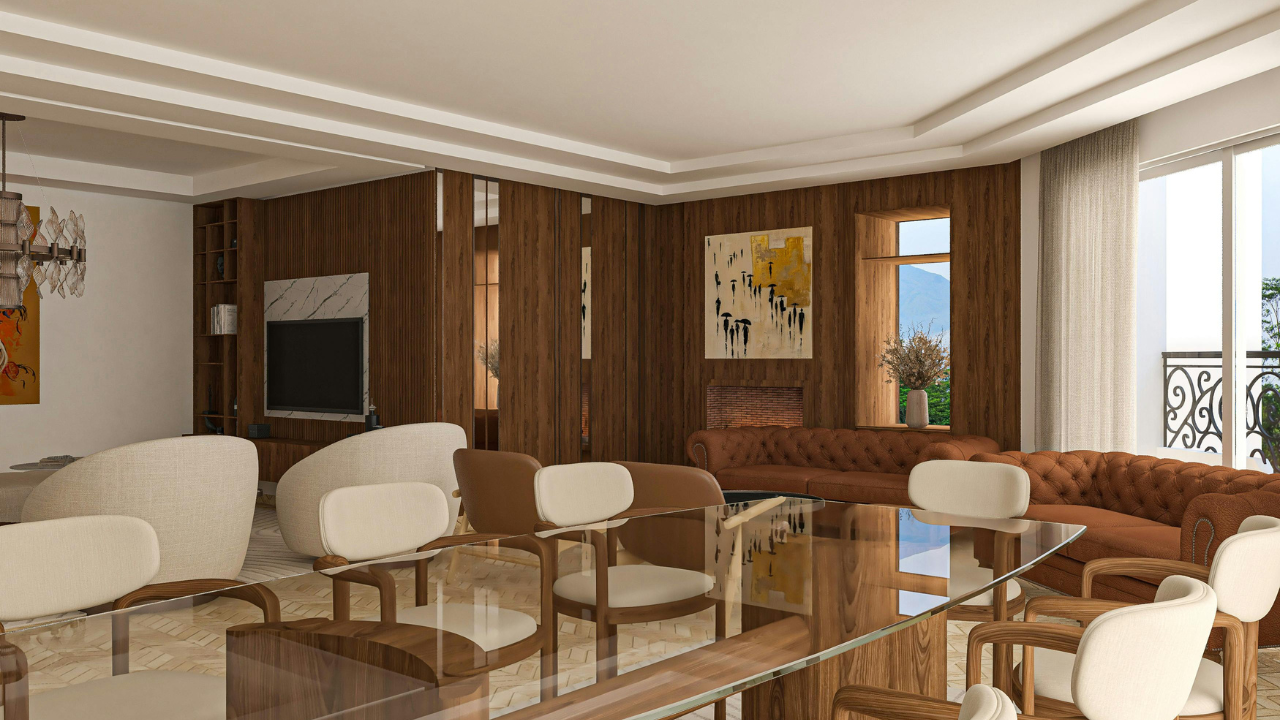
Take in the allure of design interior art deco. How to incorporate character features with bold lines, geometric shapes, and rich materials into your home décor for a stylish and classic look.
Thank you for reading this post, don't forget to subscribe!Art Deco refers to the style that became extremely popular in the 1920s and 1930s, characterized by luxury, glamour, exuberance, and sophistication. It was a style inspired by everything from the ancient Egyptians to the Aztecs, with modern advancements in technology thrown into the mix, and it became popular during a time of industrial evolution and social reform. Art Deco has been characterized by bold geometric shapes, rich colours, and luxurious materials such as marble, lacquer, and gold.
Here, we’ll take a look at some of the mainstays of design, interior art dec,o along with tips for pulling off this look in your home and where the movement first flawed from. Whether you’re revamping an entire area or just want to add a hint of flair, Art Deco can provide the inspiration you need to create a space that is timeless and truly elegant.
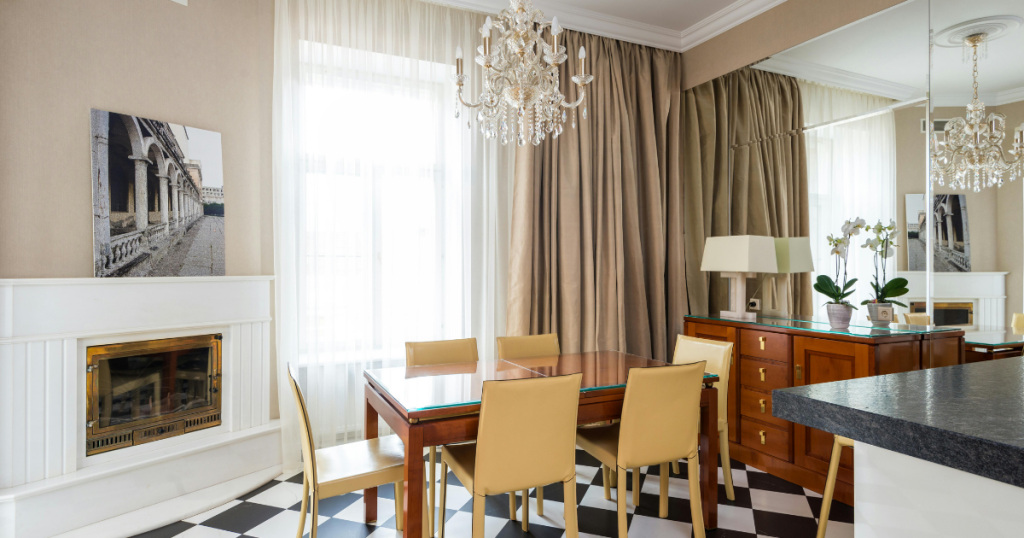
The Essence of Art Deco Design
Geometric Patterns and Shapes
Art Deco Geometric patterns and shapes form the basis of Art Deco interior design, creating rich visual appeal. Such patterns stand out for their accuracy, balance, and clean, strong lines that add a touch of order or rhythm to the space. The application of geometric shapes, including zigzags, chevrons, triangles,s and circles, provides a dynamic but cohesive look to Art Deco rooms.
Unlike the sinuous organic forms of Art Nouveau and other styles that flowed around curves, which became in vogue at the time, Art Deco relies on lines, symmetry , and repeating patterns. The emphasis on geometry betrays a modern, industrial ethos that is as much about progress and technology as it is about appreciating nature. Geometric patterns are common in walls, tiles, and wallpaper as well as a myriad of other things such as fabric and furniture. For instance, a chevron rug or geometric wallpaper pattern creates visual depth and movement throughout the room, while angular furniture (a sleek coffee table or starkly angled armchairs) re-emphasizes the crisp, structured vibe.
By adding these geometric designs, homeowners can design their spaces to be visually stimulating and refined. Be it in a subtle or overabundant manner, no other style uses geometric shapes and patterns like Art Deco to add luxury and a modern touch that can never go passé.
Rich, Luxurious Materials
At its heart, design interior art deco is pure luxury, and materials are integral to achieving that. Common materials include:
Marble and stone: These are commonly used for flooring, countertops,s and design elements like columns and sculptural figures.
Glass and mirrors: Mirrored furniture, glass chandeliers, and shiny surfaces make up the Art Deco look, all reflecting light — and adding a touch of glamour — to your surroundings.
Metal Chrome, brass, and gold play the role of fixtures, frames, and accents to add glitz and glamour to the space.
Ornamented metal, lip-licking paint colors, and some new entrants to the woods brigade: Art Deco design embraced high-gloss lacquered furniture (sometimes inlaid with mother of pearl or other exotic materials) and dark, polished wood like ebony, zebra wood, Macassar, or rosewood.
These materials all add to the general sensation of excess that is the Art Deco style.
Bold and Vibrant Colors
Art Deco design uses bold and striking colors. Most neutrals in the style are black and white, although some jewel tones such as deep blues, purples, greens, reds, and gold have always been part of Art Deco for those who enjoy adding a little drama to their home. Metallics — gold, silver, and chrome — are also popular accents, adding to the sense of luxury in the room.
Combining bright colours with strong contrast adds a cool, visually stunning effect. For instance, when you combine black and gold in a room that can convey luxury and sophistication immediately.
Streamlined Furniture with Curved Lines
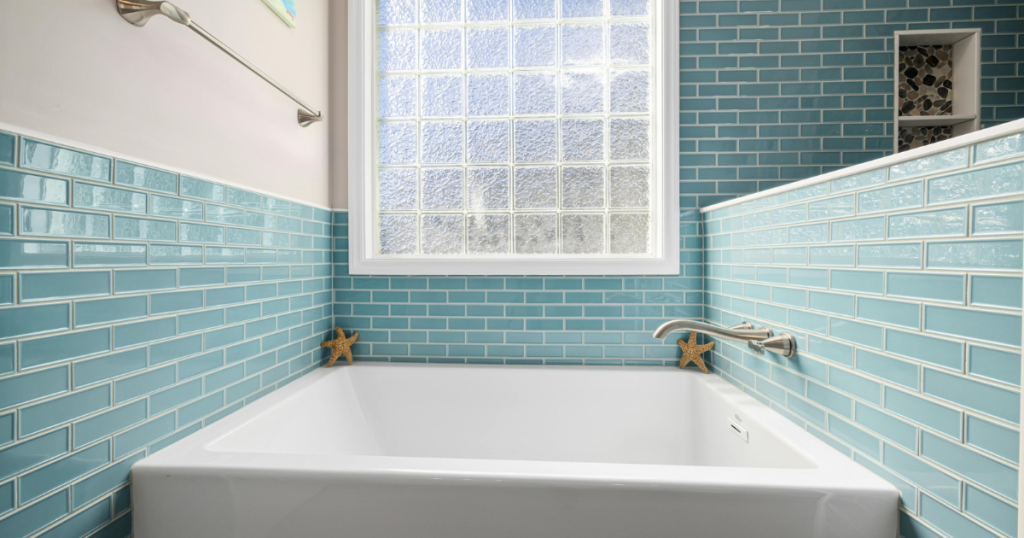
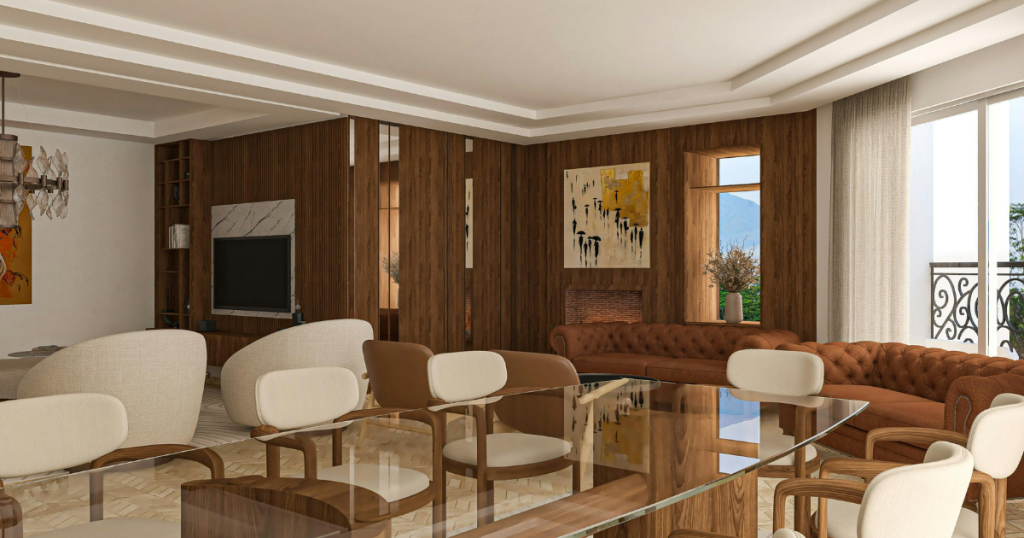
Design interior art deco is usually smooth and streamlined, featuring rounded lines that tend to be more squiggly. While elaborate detailing defined earlier styles, Art Deco furniture favors clean lines and geometric forms. Chairs, for example, tend to have curved backs or curving lines, and tables have straight edges or angular shapes.
This emphasis on clean lines and symmetry also lends Art Deco interiors a modern sense of simplicity that most historical styles lack.
Iconic Motifs and Details
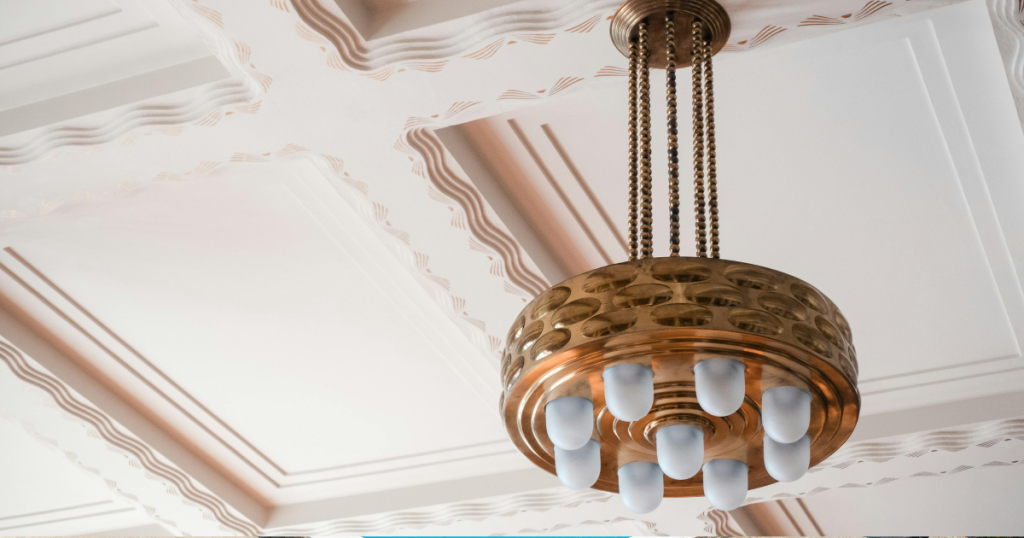
The design interior art deco look is all about iconic imagery — there’s the stylized flowers and sunbursts, zigzags and chevrons. From wall art to textiles, architectural features like ceilings and doors are adorned by these decorative units.
Other distinguishing features included the exotic motif – exposure to other cultures (Egyptian, Aztec, African art, etc.), having a direct impact on the interior. These elements imbued the interior with a feeling of exoticism and worldliness, spaces that could feel soaked in history and culture.
Low Ikons 24 by elewareinre How to Use design interior art deco in Your InteriorHow to feature Art Deco in the interior roomlichele
There’s no need to overhaul your home to inject a little Art Deco. There are so many ways you can do this by adding furniture, incorporating colors and patterns, and other accessories.
Start with a Statement Piece
To make an Art Deco-inspired room, begin with a single statement piece that encapsulates its style—a chic mirror, an Art Deco chandelier, or a glamorous sofa. From there, you can design the rest of the room around your centerpiece.
Use Bold Geometric Patterns
If you’re all about that pattern life, adding it to your decor with wallpapers, rugs, or textiles is still a good move. For instance, an Art Deco-styled rug with chevron or zig-zag patterns will give your living room a drama-focused centerpiece. Complement it with a cool, architectural coffee table and rich velvet or silk pillows to finish the look.
Embrace Luxurious Materials
Use Luxurious Materials. To really channel design interior art deco, concentrate on applying sumptuous materials. A marble table top can add an instant opulence to your ideas; don’t be afraid of gold-accented furniture or mirrored surfaces. Opt for transparent or reflective surfaces, like glass and polished metal, to add depth and light.
Play with Color Contrast
Color design interior art deco is synonymous with bold color. Some colorful shades can complement each other too; emerald green with deep blue or black with gold or silver for a chic, polished look. “Don’t be shy about using rich, saturated colors, but carefully balance the mix so you don’t overpower the room,” she says.
Add Decorative Accents
Polish the room with design interior art deco touches such as metallic-framed mirrors, lacquered furniture, and shiny surfaces. A well-placed piece of sculptural art or a modern vase can add to the look. Seek pieces with stylised motifs, such as sunbursts or chevrons, to strengthen this Art Deco aesthetic.
The History of Art Deco
Art Deco developed in the 1920s as a reaction to the previous ornate and heavy Art Nouveau style. The movement drew on diverse sources, from the Industrial Revolution’s streamlined, machine-inspired forms and ancient and non-Western civilizations — like Egypt and Greece — to contemporary art movements such as cubism and futurism.
The style rose to widespread popularity during the 1925 Exposition Internationale design interior art deco Décoratifs et Industriels Modernes (International Exposition of Modern Industrial and Decorative Arts) held in Paris, which led to its recognition as the most sought-after design aesthetic for luxury goods, architecture, and interior decoration.
The depression Art Deco continued to represent wealth and glitter, so naturally it had an even greater draw for people who were looking for a way out of the depression. But the style fell out of favor with new, more minimalist designs that caught on in the 1940s and 50s.
Nonetheless, Art Deco has been enjoying a revival in popularity, and today’s designers are increasingly referencing its flamboyant glamour. Today, Art Deco continues to be a popular style for decadent, sumptuous interiors.
What are the common questions asked about design interior art deco?
What are some elements of Art Deco design in interiors?
Art Deco interiors, on the other hand, are defined by geometric shapes, lavish materials — think: marble and glass — strong patterns (chevrons or sunbursts, anyone?), and shapely furniture.
How can I use Art Deco to make my house a little less boring without going overboard?
Begin with one piece that makes a statement, such as an ornate mirror or chandelier, and design around it with geometric shapes, plush fabrics, and metallics. Balance the color palette with deep tones such as black, gold, and emerald.
Can I blend Art Deco with other design styles?
Yes, Art Deco can be mixed in with other styles (more modern or minimal takes combined). The trick is that both bold materials and subtle accents should play well together.
What are some common colors in Art Deco?
Art Deco palettes tend to have eye-catching, high-contrast hues of black and gold, dark blues, browns, greens, or brass alongside metallic silver, chrome, and others. These colours really help impart a sense of luxury and drama.
Can you use Art Deco in a smaller space?
Yes, Art Deco can work in small spaces by incorporating its key components – graphic geometrical patterns, reflective surfaces, and streamlined furniture. Resist the urge to clutter the space with clashing color; rather, allow a single item — or two if you’re feeling particularly bombastic — do all the hard conversational lifting.
Conclusion
Design interior art deco is an enduring style; it implies luxury, glamour, and exuberance of youth! Bold geometrics, luxurious materials,s and a stunning palette embrace pattern and support nostalgic modernity. Whether you are redoing an entire room or just looking to add a little Art Deco style to your home, it is definitely something that will change the whole look and feel of any room.
By paying attention to some of its signature elements — the geometric shapes, decadent materials, and vibrant hues — you can incorporate the design interior art deco into your home and experience all of that beauty and decadence for yourself.