Learn about what an interior design mood board is, and how to make one that channels your vision. Find expert advice, inspiration, and answers to FAQs in this complete guide.
Thank you for reading this post, don't forget to subscribe!In interior decorating, one of the first steps in achieving a harmonious and visually appealing space is to develop a mood board. By constructing a well-curated mood board, you can bring your ideas to life and use it as a foundation, helping with everything from color and style choices to material options, and it will even contribute to which types of furniture you want in the space, all through an understanding of layout.
It’s a visual guide that expresses your interior design mood board aspirations and keeps you anchored as you progress in your design career. This guide is here to help you create your own interior design mood board that will be a reflection of everything you want and need in order for you to bring your dream space into reality.
What is an Interior Design Mood board?
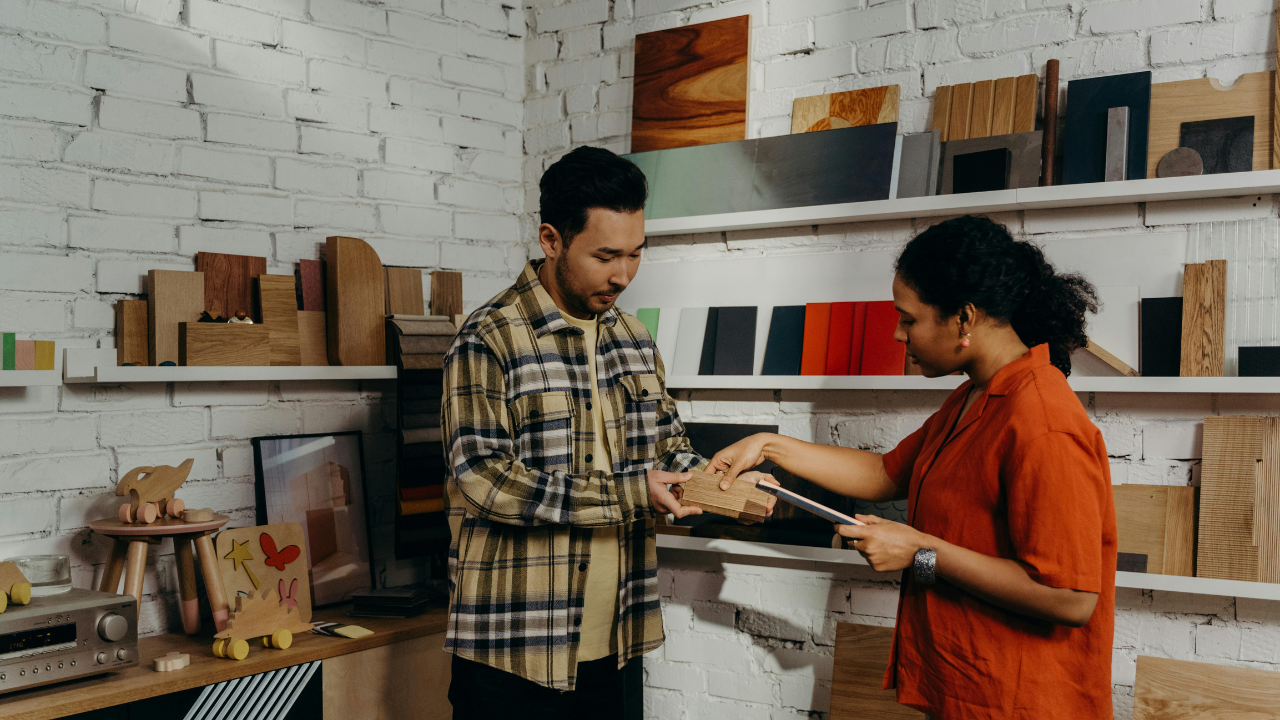
An interior design mood board is a visual tool that designers, interior design mood board, decorators, or DIY ers use to collect and organize their inspiration for a project. It is a collage of images, materials, textures, colors, and patterns that together represent the overall aesthetic and feel you’re going for in a room or an entire home. A interior design mood board is a representation of the feel, energy, and style of your space, showing you a peek into how it will feel and look before any physical work takes place.
- Interior design mood board can be fashioned in tangible form or as digital collages, including images and text.
- Photographs and Images of interiors, furniture, and architectural details that convey the right look.
- Add a swipe of paint color that highlights the space’s colors.
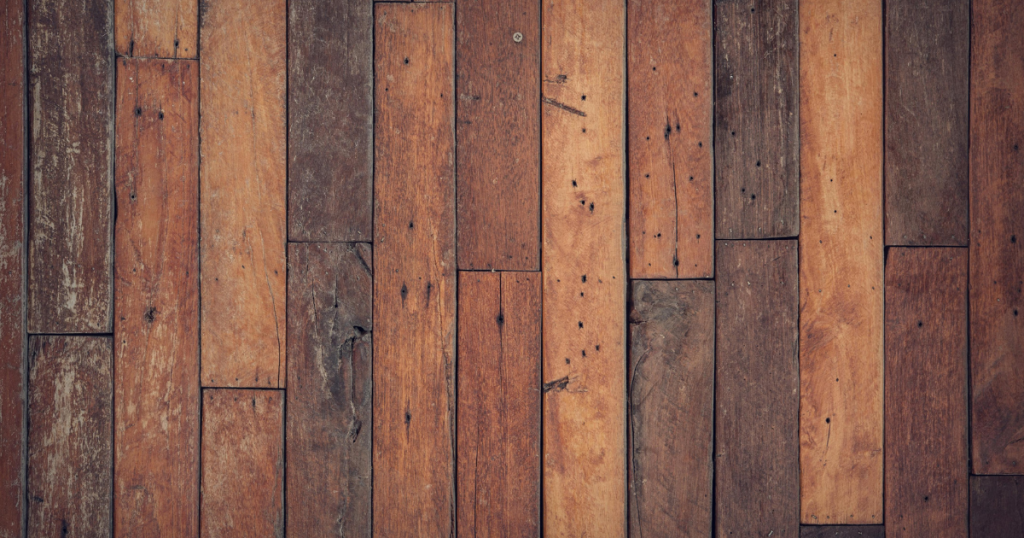
- Textures and Materials: Swatches of cloth, wood, metal, or other material that will be used for finishes.
- Patterns: If any prints or motifs will be a part of your design.
- Typography: If applicable, font and lettering styles that complement the theme or style of the space.
Why is an interior design mood board necessary?
There are several reasons why a mood board is an integral part of the design process:
- Visually Plan the Vibe: As with all things design, imagine what you want your space to look and feel like. This gives you the ability to check that all items work before making expensive decisions.
- Delineate Design Preferences: Building a mood board makes you focus on design and aesthetics in greater detail, so that you can think about the styles and elements that appeal to you.
- Organize Ideas. It is a great way to organize ideas and compare different elements (such as color schemes, furniture styles, and room decor).
- Don’t get overwhelmed: With a multitude of design possibilities or too many materials and colours to choose from, a mood board can help keep everything easier to manage, thereby eliminating confusion.
- Communication: If you are collaborating with a designer, contractor, or team, the mood board is an effective communication tool to convey what you envision.
Create an Interior Design Mood Board: Here’s a Foolproof Way!
Making an interior design mood board may feel a bit daunting, but when you follow the proper steps, it’s a fun and engaging project. Use these steps to develop your ideal mood board:
Determine Your Goals
Before we get into the design aspects, let’s consider how you will use the space. We’ve Got Your Room: Whether you’re designing a living room, bedroom, or home office. What kind of mood do you want to set? Consider the feeling you want to convey — maybe it’s peaceful, energizing, warm, or contemporary. It helps you choose components that are consistent with the vision.
Collect Inspiration
- Begin collecting inspiration from all over. Here are some fantastic places to draw inspiration from:
- Pinterest: A Great way to create design ideas for dressing.
- Magazines: You can find compilations of inspiration-inducing interiors in interior design mood board magazines.
- Websites: There is an abundance of imagery available through online design platforms such as Houzz and Apartment Therapy.
- Social Media: Instagram is also a great place to see what’s New and what we are up to!
- Stores & Showrooms: Go bronzing in furniture stores or showrooms to feel different styles up close.
Gather a range of images, even if they don’t feel as though they will easily fit into one design. The idea is to compile a variety of images that speak to you.
Narrow Down Your Selections
Now that you have a ton of inspiration, it’s time to narrow your selection. Select the images that most accurately reflect the style, colors, and materials of your space. Focus on elements that convey the mood and energy you’re working to evoke in the space.
Choose a Color Palette
Colors can make (or break) the feeling of an entire room. Pick a color scheme that reflects your purpose. You might draw inspiration from the images you’ve been collecting, or use online colour tools to create complementary colours. As a rule of thumb, your mood board shouldn’t have more than 3 to 5 primary colors– and those usually break down to one main color with the rest being accent ones.
Select Textures and Materials
Give your mood board extra visual depth with texture swatches and fabric samples. “Whatever that is, whether it’s a plush velvet throw, a rustic wooden table or really sharp marble countertops, showing materials is what makes the design feel alive,” she said. If you’re working digitally, you might even use high-resolution images of those materials.
Organize the Layout
Now that you have your supplies and have decided on a color palette, it is time to place them on the mood board. If you are using a physical board, print out photos and lay them down on a large piece of paper or foam board. If you are doing it digitally, in a program like Canva, Photoshop, or an online mood board maker, coordinate everything so that it looks neat. Arrange the elements so that it is clear how they will interact.
Add Furniture and Accessories
Add images of furniture and accessories that harmonize with the design. They don’t all have to be glitzed, but they should be things that anchor design decisions and give you a better idea of how everything will come together when it does — whether it’s a sofa, coffee table, or pair of lamps.
Final Touches
Refer to your mood board and confirm that the general feeling is consistent. Make sure the colors, textures , and materials work together. Only then, if need be, remove those aspects that don’t fit with your vision. Here is your opportunity to make revisions and to tinker with your ideas.
Creating a digital mood board: how-to guide
With their convenience and accessibility, digital mood boards are all the rage today. Ready to learn how to make a killer digital mood board?
- Opt for High-Resolution Images: Ensure the images you are using are clear and of a reasonable resolution. This will make your mood board look professional and finished.
- Keep Things Organized: Utilize a design tool with an intuitive interface, such as Canva or Adobe Spark. They provide templates that may guide how you structure your board.
- Layer in Digital Tools : (Use layers in your digital tools). Overlap various elements to see how they interact before committing to your design.
- Include Links: If you are working with a designer or team, include links to products or sources where they can be purchased.
- Utilize Color Tools: Rely on digital color generators or websites like Coolors to come up with contrasting and overall complimentary colors.

Interior design mood board mistakes to avoid
Making a good mood board can be tricky, and there are some traps you can fall into. Here are a few things not to do:
- Crowding the Board: its fun to collect inspiration, but don’t overpopulate the mood board with too many items. Keep it focused and cohesive.
- Thinking too big without practicality in mind: It’s not all about aesthetics. Think about how the various design elements will impact the space, which can help ensure it will be a comfortable area.
- Not establishing a vision: A mood board with no real direction can lead to a design that doesn’t seem to belong together. Just stick to your mission and strive for a cohesive board.
- Scale and Proportions: Watch your proportions, be aware of scale. One must consider the room size when making decisions about furniture and key elements in the design.
- Being too single-minded about a style: Do not feel like you have to stick to a particular style. As long as the pieces work together, you’re allowed to mix aspects of different design aesthetics.
Creative interior design mood board Services FAQ
What is the difference between a mood board and a design board?
While a mood board concentrates on the emotions and aesthetics of a design, such as colors, textures, and visual language, a design board, conversely, is much more utilitarian and could include anything from exact measurements and plans to actual design elements such as furniture pieces and floor plans.
Can I mood board one room, or do I need to design a whole home?
Absolutely! You can make a mood board for one room or an entire house. For each space, the mood board can help determine style, composition, and a unique feel to that room.
What is the best color palette when creating a mood board?
Seek colors that prompt the mood you’re pursuing in your space. Think about using a neutral backdrop with a pop of colors or the colours that are trending, which complement your theme. Apps like Adobe Color can assist in creating a complementary palette.
Am I able to edit my mood board as I make progress?
Yes! A mood board is a tool that you can adapt as your ideas take shape — it’s perfectly normal to find yourself revising your mood board. You’ll get new inspiration or change your mind about some things as you are working.
Is my mood board supposed to be realistic or aspirational?
Your mood board should be a reflection of achievable and aspirational reality. Although it’s essential when brainstorming ideas to stay rooted in what can be accomplished, finding some areas that inspire and stretch your creativity is also a good thing.
Conclusion
An interior design mood board is more than just a collage of images—it’s a valuable tool that can help you clarify, visualize, and define elements of your design. With a bit of inspiration, some color and materials choices, and some organization, you can make a board that does the work for you when it comes time to design your space. When you’re creating a single room or an entire house, a mood board keeps your process focused and your ideas on track, organized, and aligned with your goals. With the steps provided in this guide, you can create a mood board that is fully representative of your style and allows you to make your dream a reality.