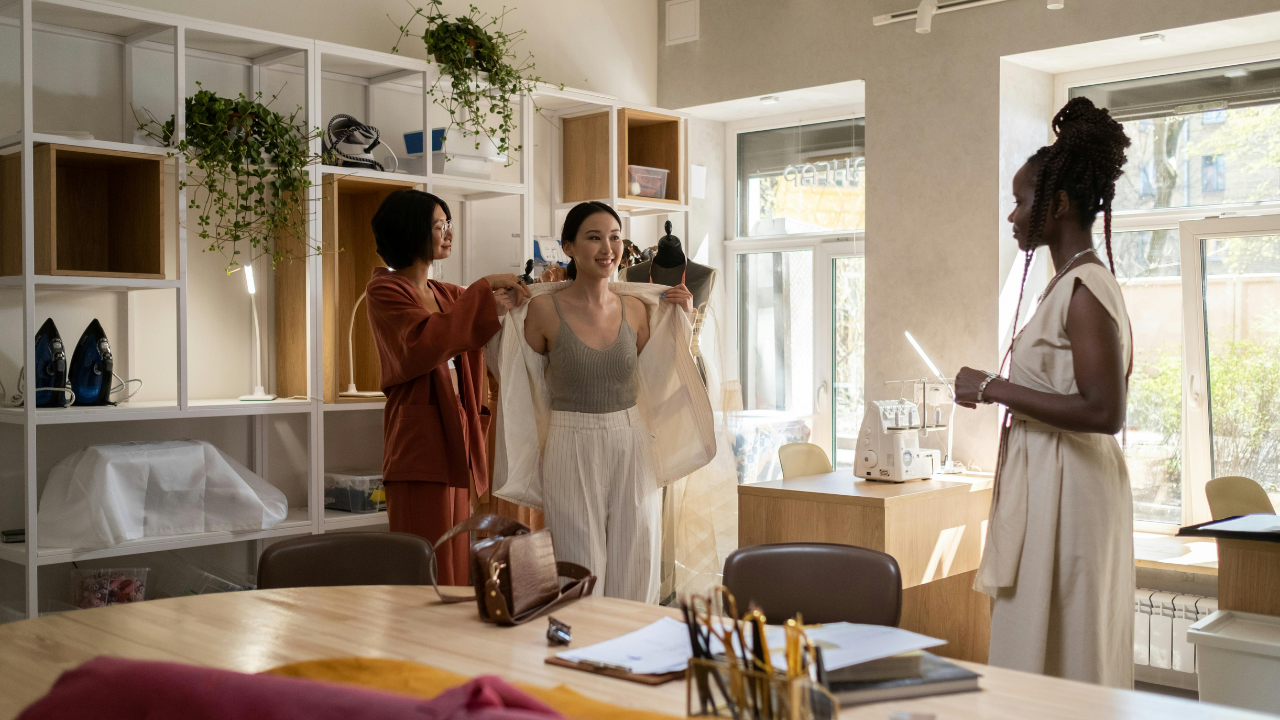
Learn about what do interior designers do, their primary responsibilities, plus the skills necessary to pursue this rewarding career. Find out the reasons for hiring a professional interior designer for your next project.
Thank you for reading this post, don't forget to subscribe!What Do Interior Designers Do? What is a Medical Assistant?
Interior designers help us to refine the environments we inhabit and spend our time in. They draw from art, from science, and from a profound knowledge of human psychology in their production of spaces that are not only nice to look at but also work well and feel good. From your home to the office, retail shop, or public building, interior designers have proven training that enables them to enhance any space.
This article will delve deeper into what interior designers do, the skills they need, the processes involved, and why you should hire an expert for your next project.
What Is an Interior Designer?
An interior designer is a person who creates a solution for any interior space. An interior designer is not the same as an interior decorator. Both deal with the interior of a home, but interior designers concern themselves with the construction and design of the space. At the same time, decorators are more interested in furniture, objects, and art, per se.
Interior designers design everything from residential to commercial projects — including homes, office spaces, health care facilities, retail stores, and public spaces. Occupancy: They need to recognize what the space will be used for, safety requirements, and budget limitations.
Primary Duties and Responsibilities of an Interior Designer
Space Planning
Space planning is one of the most basic yet essential services provided by an interior designer. They evaluate the available space, take into account what is required to be in that exercise equipment room, and consider a design that makes the best use of space and functionality with good flow and visuals. Space planning involves defining where furniture, equipment, and other elements will be positioned to most effectively use the space.
Design Concept Development
Interior designers develop a design concept and create a vision that is based on the client’s needs, their preferences, and lifestyle. They mix and match all sorts of design styles, materials, colors, and textures to formulate one cohesive look for your space. This process includes mood boards, design sketches, and 3D renders to be presented to clients in their scene before implementation.
Selecting Materials and Furnishings
Much of the work of an interior designer involves choosing appropriate materials, furnishings, and finishes. Flooring, Wall coverings, Furniture – fabric and leather, Lighting, Furnishings & Accessories, which work well with the design concept & are both functional and comfortable. Interior designers usually have a set of preferred suppliers and resources that aren’t available to the public, which means they can find materials or supplies we never would.
Managing the Project
The interior designers oversee everything, including contractors, suppliers, and other professionals required for the project. They make sure the project is on time, on budget, and meets design requirements. This responsibility can sometimes include obtaining a permit, making sure your property meets building codes, and resolving any problems that crop up during the project.
Lighting Design
Environmental lighting is a critical element of interior design as it enhances the aesthetic appeal, creates contrasts, and adds more drama to front features. Interior designers must design lighting schemes that are both aesthetically pleasing and functional. That means choosing lighting fixtures, planning the location of lights with electrical work, and making sure natural light is used to set the mood of a room.

Client Communication and Collaboration
So successful interior designers engage with their clients across the whole of the design lifecycle. That entails talking with them about their very vision, wants, and needs, offering design options, and receiving input. Articulate communication is critical, so they understand the client’s requirements and that the final work product meets expectations.
Sustainability and Eco-friendly Design
Sustainability is currently considered essential in interior design. In this era of growing environmental awareness, the push for interior designers to create designs that are environmentally responsible and that minimize the carbon imprint of buildings on their occupants is becoming a movement gaining momentum. Green interior design includes ecologically accountable materials, energy-efficient systems, and a waste-reducing plan that will sustain in the long run.
Eco design places a premium on renewable, recyclable, and non-toxic materials (such as bamboo, reclaimed wood, and low-VOC paints). Designers also use energy-saving lighting, appliances, and insulation to decrease a building’s consumption of energy. The travelers of houses and commercial buildings should create flex spaces that optimize the natural light, pure air, and clean airflow to establish a healthier living or business environment. ADDON floor protects people from any indoor humidity; it provides for controlling everything.
The contribution of an interior designer to sustainability is very significant, in that they can steer their clients away from choices that are bad for the environment. Implementing sustainable choices and using green building practices, interior designers can help to lessen the impact of a home on the environment, practice conservation of resources, and overall contribute to a more eco-friendly future. Green interior design is good for the environment and can reduce energy bills and add value to your property.
Universal Design
Universal design is used by many interior designers to make sure that spaces are accessible to all people, including those with disabilities. This means open doorways, handicapped bathrooms, and anti-slip floors, among other things.

Budget Management
An interior designer’s responsibilities include maintaining a project’s budget. They collaborate with clients to establish a budget for the design project and make sure all costs (from labor to buying materials or furniture) are within that budget. Designers also know how to design beautiful spaces without spending too much, so the result needs to be functional as well as affordable.
Final Styling and Decoration
After the framework of a design is erected, interior designers frequently finesse “the look” of the space. This means you are choosing accessories, artwork, and other design accents that offset the design and complete the room. Final dressing is what gives the design personality and character, helping it feel like home.
So, what does it take to become an Interior Designer?
Being an interior designer calls for diverse skills that not only include a keen ability to design spaces creatively but also research architecturally, plan rooms and arrange furniture, and know how to make structures safe and accessible. A variety of valuable skills to put on a resume for an interior designer:
Creativity is required for interior designers to create designs in a new way so that their designs may look different from others.
Attention to Detail: A good amount of minor detailing goes into making up the perfect interior, and that includes choosing the right color palette as well as picking out just the right piece of furniture.
Understanding of Design Foundations: A thorough knowledge of design elements like color theory and spatial arrangement, as well as principles like contrast, balance, and more, is needed to create spaces that are both beautiful and useful.
Technical ability: Design software knowledge (such as AutoCAD, Sketch Up, and 3D modeling programs) is required in order to create floor plans, renderings, and visual designs within the interior design field.
Project Management Abilities: Juggling competing tasks, multiple deadlines, and varying budget requirements is a sophisticated business to run—all elements that interior designers must manage effectively.
Communication Skills: Interior designers need to talk with clients and others to become aware of what is required for each project.
Problem-Solving Skills: As a designer, you are problem-solving every day to make the space function perfectly. Model Answer: To be organized, there on paper does not work at all times.
Why Hire an Interior Designer?
An interior designer is often thought of as a luxury, but they’re actually quite important, no matter where you live. Here are some reasons to consider working with a professional:
5- Expertise and Experience – Professional designers have the knowledge that allows them to know what needs to be done most efficiently and effectively.
Save Time and Money: While an interior designer might seem like a luxury at first, they can actually help you save money in the long run. Designers provide discounts, prevent costly mistakes, and are attentive to keeping the project within budget and on time.
Resource Access: Many designers have access to wholesale-only suppliers and resources that are not available to the general public. This can lead to higher-quality materials and interesting design touches that make your space stand out.
Custom Creations: Through working with an interior designer, you can design a space that reflects your style, serves your purpose, and meets your functional needs. If you are in search of a home brimming with warmth and comfort or an office bustling with activity, the services of a designer can bring your dream to life.
The value of the property can enhance your property value if you are selling your house or commercially renting it out. Staging by professional interior decorators could improve your space for potential home or rental buyers.
Conclusion
Designers have the expertise and creative flair to make interior spaces beautiful, practical, and safe. Their job is not just to make things look nice – they plan the spaces and choose materials, they keep the client’s budget in check, and master every single detail. The good ones take the right amount of smarts and intuition — garnish that with instinct, empathy, and wise concern for overall well-being — to make a space that people love.
When you are redesigning your living room or decorating a new work area, a professional designer can help make the space not just look good, but also function in regard to its use. Having a professional design can improve the function and value of the space, as well as offer you a comfortable, stylish, and efficient environment.